
From ancient rituals to modern aesthetics, Japanese stone bowls embody a profound connection between artistry and nature. These meticulously crafted vessels, each a unique testament to the stone’s inherent beauty, offer a glimpse into Japanese culture’s enduring appreciation for侘び寂び (wabi-sabi). Their history stretches back centuries, reflecting evolving styles and techniques, while their contemporary interpretations continue to inspire awe and appreciation.
This exploration delves into the rich history, diverse types, and meticulous craftsmanship behind these captivating objects. We’ll examine the cultural significance of Japanese stone bowls, from their role in tea ceremonies to their symbolic meaning in various contexts. Furthermore, we’ll uncover the sourcing of materials, discuss modern interpretations, and offer insights into their care and appreciation.
Historical Context
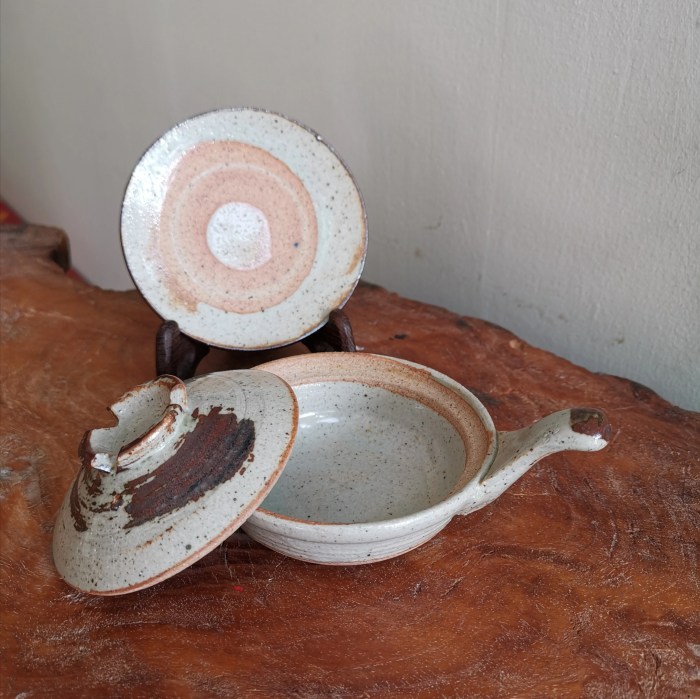
Japanese stone bowls, known as seki-bori, boast a rich history deeply intertwined with the nation’s aesthetic sensibilities and artistic traditions. Their creation isn’t merely about crafting functional vessels; it’s a reflection of the interplay between nature, artistry, and cultural values. From humble beginnings to sophisticated masterpieces, the journey of stone bowl making showcases the evolution of Japanese craftsmanship.Japanese stone bowl making, a tradition steeped in history, demonstrates a continuous evolution of styles and techniques, mirroring broader societal changes and artistic innovations.
The development of these bowls, from early forms to the exquisite examples seen today, provides a compelling insight into the changing priorities and aesthetics of Japanese culture. The enduring appeal of these vessels stems from their unique ability to seamlessly blend practicality with artistry.
Chronological Overview of Japanese Stone Bowl Making
The earliest documented examples of Japanese stone bowls date back to the Jomon period (10,500 BCE – 300 BCE). These rudimentary forms, often showcasing natural contours, served primarily as utilitarian containers. Subsequent periods, like the Yayoi (300 BCE – 300 CE) and Kofun (300 – 710 CE) periods, saw an increasing refinement in techniques, though the aesthetic remained largely functional.
The introduction of Buddhism in the Asuka period (538 – 710 CE) further influenced Japanese aesthetics, and with it, the design and crafting of stone bowls.
Evolution of Styles and Techniques
The Heian period (794 – 1185 CE) witnessed the rise of a sophisticated aesthetic, marked by a greater emphasis on symmetry and balance in stone bowl designs. Artisans began to incorporate more intricate carving and polishing techniques, resulting in objects of heightened beauty. The subsequent Kamakura period (1185 – 1333 CE) saw a shift towards more naturalistic forms, with bowls reflecting a growing appreciation for the raw beauty of the natural world.
Each period reflects a unique cultural perspective on artistry.
Significance of Stone Bowls in Japanese Culture and Aesthetics
“The beauty of a seki-bori lies not just in its form, but in the subtle interplay of light and shadow on its surface.”
Stone bowls, far beyond their practical function, became powerful symbols of elegance and refinement. They were used in ceremonial settings and enjoyed in the context of tea ceremonies and other cultural gatherings. Their aesthetic appeal, emphasizing simplicity, harmony, and the natural beauty of the stone, resonated deeply within Japanese culture. The careful selection of stones, the precision of the carving, and the meticulous polishing process all contributed to the creation of objects imbued with cultural significance.
Role of Artisans and their Influence on the Craft
Highly skilled artisans played a crucial role in the evolution of stone bowl making. Their mastery of techniques, coupled with their understanding of cultural values, ensured that each bowl reflected a unique perspective and aesthetic sensibility. The dedication and passion of these artisans shaped the craft, ensuring its continued relevance throughout the centuries.
Materials Used in the Creation of Japanese Stone Bowls
A variety of stones were utilized in the creation of seki-bori, each with its own unique characteristics. Common materials included granite, basalt, and various types of metamorphic rock. The choice of material significantly influenced the final appearance and tactile experience of the bowl.
Geographical Origins of the Stones Used
The stones used in Japanese stone bowl production often originated from specific geographical locations. The availability and quality of stones influenced the stylistic choices of artisans and contributed to the distinctive characteristics of bowls from different regions. For instance, granite from specific mountain ranges might have been favored for its hardness and visual properties, influencing the shape and style of the finished bowls.
Types and Styles
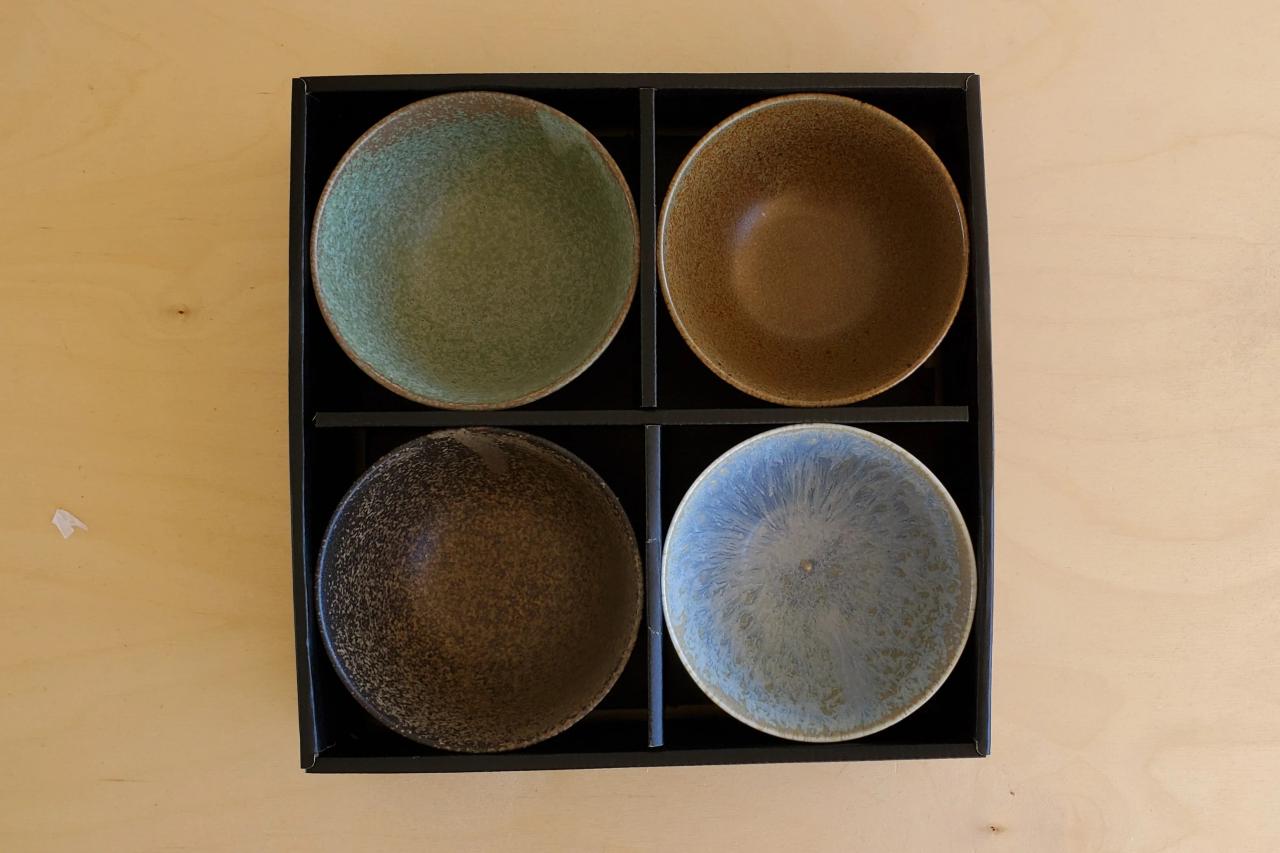
Japanese stone bowls, or tsukubai, are more than just functional vessels. Their enduring appeal stems from a complex interplay of material, shape, and aesthetic considerations. These bowls, often used for ritual cleansing or simply as decorative pieces, reflect the deep-seated appreciation for natural beauty and craftsmanship in Japanese culture.The diversity in Japanese stone bowls is remarkable, extending far beyond simple categorization.
Their variations in material, shape, and size reflect the unique artistry and cultural context in which they were crafted. This exploration delves into the myriad forms, styles, and functions of these captivating objects.
Material Variations
Japanese stone bowls are crafted from a diverse range of materials, each influencing the bowl’s aesthetic and tactile qualities. Granite, with its inherent strength and visual appeal, is a popular choice. Its natural striations and variations in color create unique patterns on each piece. Other stones, like basalt and various types of slate, also feature prominently. The selection of material often corresponds with the intended use and the overall design aesthetic.
For example, a bowl intended for a formal garden setting might be crafted from polished granite, while a more rustic bowl for a rural setting might utilize a less refined stone like basalt.
Shape and Form
The shape and form of Japanese stone bowls are as varied as the materials from which they are made. Some bowls exhibit a simple, rounded form, evocative of natural curves. Others display more intricate and stylized shapes, reflecting the influence of specific artistic trends. The shape is frequently dictated by the intended function of the bowl. A bowl designed for water collection might feature a broader, shallower form, whereas a bowl for ritual washing might be deeper and more focused in shape.
Size and Dimensions
The sizes and dimensions of Japanese stone bowls vary significantly, mirroring the wide range of uses for these objects. Small bowls might serve as decorative elements in a home or garden, whereas larger bowls could be used for communal water collection or elaborate ritual practices. The dimensions of a bowl are also often determined by the particular space in which it will be placed.
Table of Japanese Stone Bowl Categories
| Category | Material | Shape | Dimensions |
|---|---|---|---|
| Ritual Cleansing Bowls | Granite, Basalt | Deep, often with a slight inward curve at the rim | Medium to large, depending on the specific ritual |
| Decorative Garden Bowls | Granite, Slate, Marble | Rounded, often with a slightly tapered profile | Small to medium, often complementing the surrounding landscape |
| Water Collection Bowls | Basalt, Slate | Broad, shallow, sometimes with a slight lip | Large, to facilitate collection of rainwater |
| Studio Bowls | Various stones | Various shapes, reflecting artistic intent | Varying sizes, from small to large |
Craftsmanship and Techniques
Japanese stone bowls, or tsuki, are not mere vessels; they are meticulously crafted works of art. The process, from stone selection to the final polish, reflects a deep understanding of materials and a commitment to precision. This dedication to quality distinguishes these bowls from mass-produced goods, ensuring their enduring appeal and value.The creation of a Japanese stone bowl is a demanding process, requiring a combination of artistic vision, technical skill, and an intimate knowledge of the stone itself.
The selection of the appropriate stone is crucial, as its characteristics will influence the final form and aesthetic of the bowl. Different stones offer varying degrees of hardness, porosity, and color, each contributing to the bowl’s unique personality.
Stone Selection and Preparation
The initial step involves selecting a suitable stone, often a metamorphic or igneous rock, renowned for its durability and aesthetic qualities. The chosen stone is then carefully examined for flaws, imperfections, and inherent characteristics that could affect the shaping process. Once a suitable stone is identified, it is prepared for carving. This preparation often involves removing any loose or damaged exterior material, ensuring a consistent and stable surface for the sculptor.
Shaping the Stone
The shaping of the stone is a delicate process, requiring an experienced hand and an understanding of the stone’s properties. Precision is paramount; every cut and chisel stroke contributes to the final form. Carving techniques, often passed down through generations, involve the use of specialized tools and a deep understanding of the stone’s grain and structure. This knowledge allows the artisan to work with the material, rather than against it, optimizing the final form.
The process can take weeks, or even months, depending on the size and complexity of the bowl.
Polishing and Finishing
The polishing stage is equally important, transforming the rough-hewn stone into a smooth and lustrous surface. Various methods of polishing are employed, often using abrasive materials and meticulous hand movements. The goal is to achieve a mirror-like finish, enhancing the stone’s natural beauty and highlighting its subtle nuances. The final polish brings out the inherent qualities of the stone, completing the transformation from raw material to finished art.
Tools and Methods
A variety of tools are used in the creation of Japanese stone bowls. Chisels of varying sizes and shapes, often made of hardened steel, are used for shaping the stone. Abrasive materials, ranging from fine sand to polishing compounds, are crucial for smoothing and refining the surface. Water is also an essential component, used for both cooling the tools and removing debris.
The specific techniques employed and the tools used will vary depending on the particular stone being worked with.
Techniques Employed in Stone Bowl Making
| Technique | Description | Tools | Image Description |
|---|---|---|---|
| Rough Shaping | Initial removal of excess material to establish the basic form. | Large chisels, mallets. | A rough-hewn stone with visible marks from large chisels. |
| Detailed Carving | Precise shaping of the bowl’s interior and exterior, adhering to the desired design. | Smaller chisels, carving tools. | A stone with more defined edges and shapes, showing detailed carving marks. |
| Grinding and Polishing | Reducing surface imperfections and achieving a smooth, polished finish. | Abrasive materials (sand, compounds), polishing cloths. | A stone with a gradually smoother surface, transitioning from rough to highly polished. |
| Finishing Touches | Final polishing and application of sealant (if needed) to protect the stone and enhance its luster. | Fine polishing materials, brushes, sealant. | A meticulously polished stone bowl, showcasing a mirror-like finish. |
Aesthetic Considerations
Japanese stone bowls, beyond their practical function, are deeply imbued with aesthetic principles that resonate with the nation’s cultural values. Their beauty stems not just from the artisan’s skill, but from a profound respect for the inherent qualities of the stone itself, often showcasing the interplay of nature and human artistry. The design process is a delicate dance between preserving the stone’s natural form and enhancing its visual appeal.The artistry of Japanese stone bowls lies in their ability to evoke a sense of tranquility and harmony.
This is achieved through careful consideration of the interplay between the stone’s natural imperfections and the craftsman’s design. The beauty is often found in the subtle nuances, the variations in texture, and the interplay of light and shadow. The bowls are not just objects; they are experiences, inviting contemplation and appreciation of the natural world.
Principles of Beauty and Aesthetics
Japanese aesthetics prioritize the natural and unadorned. In stone bowls, this translates to appreciating the stone’s inherent beauty, rather than attempting to impose a perfect, artificial form. Imperfections, such as subtle variations in color or texture, are not flaws but rather integral parts of the bowl’s character. This appreciation for the natural world extends to the way light interacts with the bowl’s surface.
Relationship Between Stone’s Natural Form and Artisan’s Design
The artisan’s role is not to alter the stone’s form drastically, but rather to carefully select and refine it to highlight its unique qualities. This involves understanding the stone’s grain, texture, and color patterns, then shaping it to emphasize these elements. A skilled artisan will choose a stone with inherent beauty, perhaps a subtle veining or a particular shade, and then sculpt it to reveal these features in the most compelling way.
The natural form dictates the design, and the design serves to amplify the stone’s innate character. The harmony between the stone’s natural essence and the craftsman’s design creates a unique and captivating object.
Application of Wabi-Sabi
The concept of “wabi-sabi” deeply influences the aesthetic of Japanese stone bowls. This philosophy embraces imperfection, asymmetry, and the transient nature of beauty. It values the beauty found in the natural world, recognizing its inherent flaws and the inevitable passage of time. In stone bowls, wabi-sabi manifests in the acceptance of the stone’s irregularities, its natural patina, and the subtle marks of time.
The bowls, reflecting this philosophy, often exhibit a sense of quiet elegance and profound beauty.
Interaction of Light and Surface
The interplay of light with the stone’s surface is a critical element in appreciating a Japanese stone bowl. The way light catches and reflects on the stone’s surface, revealing its texture and patterns, contributes significantly to the overall aesthetic experience. Different light sources—natural sunlight, soft candlelight, or artificial illumination—can evoke different moods and highlight various aspects of the bowl’s design.
For example, a bowl with a smooth, polished surface will reflect light differently than one with a rough, textured surface. The subtle changes in light and shadow are integral to the bowl’s allure.
Impact of Textures and Patterns
The texture of the stone significantly impacts the visual appeal of the bowl. Smooth, polished surfaces create a sense of serenity, while rough, textured surfaces suggest strength and resilience. Patterns within the stone, such as swirling veins or subtle markings, add visual interest and complexity. These patterns, often reflecting the geological history of the stone, contribute to the bowl’s individuality.
The contrasting textures and patterns within the stone add layers of visual depth and intrigue.
Role of Color Variations
Color variations in the stone are essential elements in creating visual interest. A bowl’s color palette can range from subtle shades of gray and brown to more vibrant hues of green, red, or even white. The distribution and intensity of color within the stone can significantly impact the bowl’s overall aesthetic. A bowl with a balanced distribution of colors, or a bowl with striking contrasts, can evoke different emotions and create a powerful visual statement.
Color plays a crucial role in defining the character and aesthetic appeal of each individual bowl.
Cultural Significance
Japanese stone bowls, transcending their aesthetic appeal, hold profound cultural significance, deeply intertwined with the nation’s history and spiritual traditions. Their use extends beyond mere utility, embodying philosophical concepts and rituals that have shaped Japanese culture for centuries. These vessels, often imbued with symbolic meaning, serve as more than containers; they are potent expressions of artistic mastery and cultural heritage.Beyond their physical form, Japanese stone bowls represent a confluence of artistic skill, spiritual contemplation, and social harmony.
Their symbolic weight is apparent in various ceremonies and rituals, where they serve as more than mere vessels but as conduits for deeper meanings and intentions.
Symbolic Meanings in Different Cultural Contexts
Japanese stone bowls, depending on the stone type and carving style, can symbolize different facets of nature and philosophy. For example, bowls crafted from jade often evoke a sense of purity and tranquility, while those made from basalt might represent the enduring strength of the earth. These symbolic associations are often intertwined with specific cultural contexts and traditions, making each bowl a unique narrative.
Use in Ceremonies and Rituals
Japanese stone bowls are integral to a multitude of ceremonies and rituals, each emphasizing different aspects of Japanese culture. These rituals range from tea ceremonies to offerings to the spirits of nature, highlighting the bowls’ multifaceted role in Japanese society.
Role in the Tea Ceremony
The tea ceremony, or Chanoyu, is a profound cultural practice where Japanese stone bowls play a crucial role. The selection of a stone bowl is often a significant part of the ceremony, carefully chosen for its shape, texture, and symbolic meaning. The bowl, known as a chawan, is not just a container for tea; it embodies the spirit of the ceremony, connecting the participants to a profound sense of aesthetics and tradition.
A well-crafted chawan evokes a profound sense of tranquility and appreciation for the artistry of nature and craftsmanship. The chawan’s design and material often mirror the seasonal themes of the ceremony.
Historical Stories of Specific Rituals
Numerous historical accounts and legends showcase the significance of stone bowls in specific rituals. For example, the use of stone bowls in Shinto rituals, where they are used to hold offerings to the spirits of nature, emphasizes the reverence for the natural world in Japanese culture. These rituals often involve intricate ceremonies, reflecting the deep respect for the spiritual realm and the natural world.
Specific stone bowls used in these rituals are often passed down through generations, holding a tangible link to the past and serving as powerful reminders of ancestral traditions.
Materials and Sourcing
Japanese stone bowls, prized for their aesthetic beauty and functional qualities, are meticulously crafted from a variety of stones. The selection of materials is deeply intertwined with Japanese cultural values, reflecting a respect for nature and a pursuit of inherent beauty. The sourcing and treatment of these stones often involves a rigorous process, ensuring the final product embodies both artistry and cultural significance.
Common Stone Types
A diverse range of stones are used in Japanese stone bowl making, each offering unique characteristics. The most common include:
- Jasper: Known for its striking colors and patterns, jasper is a popular choice for its vibrant hues and aesthetic appeal. Its varying colors from red and orange to yellow and green create unique visual effects. Different geological formations can affect the color and patterning.
- Serpentine: This stone is valued for its subtle green and brownish-green hues, often displaying veining or banding patterns. Its soft, often smooth texture makes it ideal for creating bowls with flowing curves.
- Granite: Granite’s coarse texture and often speckled appearance provide a distinct aesthetic. Its hardness and durability are appreciated for its strength and longevity. Variations in grain size and color can lead to significant differences in visual appeal.
- Porcelain: While not a natural stone, porcelain’s translucent qualities and smooth finish are often used in the creation of stone bowls. Its ability to hold certain colors in a way that natural stones do not makes it stand out. Different glaze applications can also create a unique aesthetic.
- Soapstone: This soft stone is renowned for its smooth texture and ability to take a high polish. Its inherent softness and pliability are useful for sculpting bowls into intricate shapes. The color variations are relatively limited, primarily white and shades of gray.
Sourcing and Selection
The sourcing of materials is often tied to specific regions and historical traditions. Artisans carefully select stones based on their inherent qualities, including color, texture, hardness, and the presence of desirable patterns. The availability of specific stones within Japan is a major factor in their choice. For example, serpentine deposits are sometimes geographically limited. The selection process also involves assessing the stone’s structural integrity, ensuring its suitability for the intended shape and form of the bowl.
Artisans look for stones free from cracks, fissures, or other imperfections that could compromise the final product.
Properties and Aesthetic Influence
The physical properties of the stone profoundly influence the aesthetic qualities of the bowl. Hardness affects the ease of shaping and the durability of the final product. Color and texture contribute to the overall visual appeal, while the presence of patterns or veins can enhance the unique character of each bowl.
Origin and Significance
Each stone type holds varying cultural significance within Japanese traditions. The origin of the stone often influences its perceived value and cultural connection. For example, stones originating from specific mountain ranges or regions may be considered auspicious or hold particular symbolic meaning. The connection between the stone and nature is deeply embedded in Japanese aesthetics.
Comparative Table of Physical Properties
| Stone Type | Origin | Hardness | Color | Texture |
|---|---|---|---|---|
| Jasper | Various regions | 5-7 | Diverse | Often banded or patterned |
| Serpentine | Japan, various locations | 2.5-4 | Green-brown | Often smooth and veined |
| Granite | Various regions | 6-7 | Various (often speckled) | Coarse |
| Porcelain | Japan | 5-7 | Various | Smooth and often translucent |
| Soapstone | Various regions | 1-2 | White-gray | Very smooth and soft |
Modern Interpretations
Japanese stone bowls, steeped in centuries of tradition, are experiencing a vibrant resurgence in contemporary art. Modern artists are not simply replicating the past; they are engaging with the timeless aesthetic principles of these vessels, adapting them to resonate with contemporary sensibilities and incorporating innovative materials and techniques. This evolution reflects a deeper appreciation for the craft’s enduring appeal and its potential for contemporary expression.Contemporary approaches to Japanese stone bowl design demonstrate a remarkable fusion of tradition and innovation.
Artists are reinterpreting the traditional forms and aesthetics, infusing them with modern sensibilities while still respecting the core principles of balance, harmony, and the inherent beauty of the natural materials. This fusion of old and new often results in unique pieces that celebrate both the history and the dynamism of the present.
Contemporary Approaches to Design
Contemporary Japanese stone bowl design is characterized by a diverse range of approaches, often pushing the boundaries of traditional form and function. Artists are exploring unconventional shapes, textures, and surface treatments, while maintaining a respect for the materiality of stone. These explorations often incorporate a sense of asymmetry, or dynamic interplay of negative and positive space, resulting in pieces that are both visually striking and deeply engaging.
Incorporation of Modern Materials and Techniques
Modern materials and techniques are increasingly being integrated into contemporary stone bowl making. The use of innovative glazes, firing techniques, and surface treatments, often influenced by other art forms, creates unique visual effects and tactile experiences. This experimentation allows for the creation of pieces with an enhanced aesthetic appeal and broader application. For instance, the use of metal inlays or ceramic accents provides a rich textural contrast to the stone, enhancing the visual depth of the bowl.
Adapting Traditional Techniques for Modern Sensibilities
Traditional techniques are adapted for modern sensibilities through a nuanced approach. While maintaining the core principles of craftsmanship, artists often employ modern tools and technologies to enhance the efficiency and precision of the creation process. For example, the meticulous hand-carved details that characterize traditional bowls can be amplified using advanced carving tools or 3D modeling software. These advancements in technique allow artists to realize intricate designs previously challenging to execute.
Reinterpreting Traditional Aesthetics
Contemporary artists are reinterpreting traditional Japanese aesthetics by drawing inspiration from the rich history of Japanese art, but translating it into a modern visual language. The focus on natural materials and the emphasis on harmony with nature remain central, but the expression of these ideas takes on a contemporary voice. This is evident in the integration of minimalist forms or abstract shapes that still evoke the spirit of the traditional aesthetic.
Using Stone Bowl Design Principles in Other Art Forms
The principles of Japanese stone bowl design are finding application in other art forms, demonstrating the universal appeal of its core aesthetic elements. Artists are incorporating the principles of balance, harmony, and the inherent beauty of natural materials into sculptures, ceramics, and even architectural designs. This demonstrates the adaptability and enduring value of these principles beyond the confines of the stone bowl itself.
Care and Maintenance
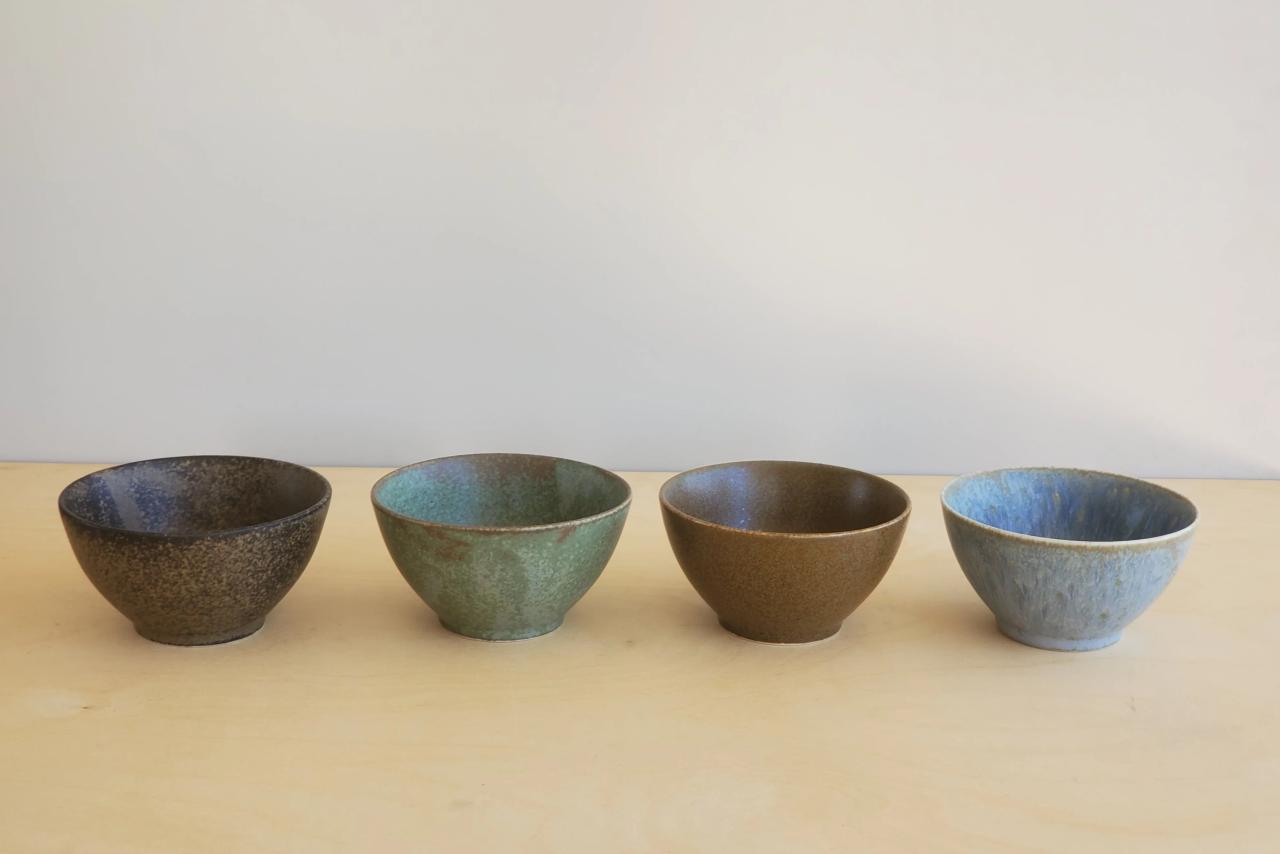
Preserving the beauty and longevity of a Japanese stone bowl requires meticulous care and understanding of its material properties. Proper cleaning, storage, and handling are crucial to maintaining its aesthetic integrity and preventing damage, ensuring the bowl’s enduring value for generations. These techniques extend beyond simple hygiene and encompass a deep respect for the craft and materials involved.Maintaining a Japanese stone bowl involves a delicate balance between preserving its unique characteristics and preventing harm.
The techniques employed should respect the bowl’s natural texture and the craftsmanship that went into its creation. This includes recognizing that different stone types react differently to various treatments.
Cleaning Procedures
Cleaning Japanese stone bowls requires a gentle approach. Vigorous scrubbing or harsh chemicals can damage the surface and alter its patina. A soft cloth dampened with lukewarm water is typically sufficient for daily maintenance. Avoid using abrasive cleaners or scouring pads.
Protecting from Damage
Preventing damage is paramount to maintaining the integrity of the bowl. Avoid placing the bowl on hard surfaces that might scratch or chip it. Use a protective surface beneath the bowl, such as a felt pad or a soft cloth. When moving the bowl, use both hands to support its weight and avoid dropping it. Avoid stacking or placing heavy objects on top of the bowl.
Preserving Integrity Over Time
To preserve the bowl’s integrity, regular inspections for any signs of damage or wear are vital. A gradual build-up of dirt or grime can be mitigated with consistent, gentle cleaning. Note any changes in the bowl’s appearance or texture. Consult with a specialist if any concerns arise. Proper storage plays a crucial role in long-term preservation.
Handling and Storage
Handling a Japanese stone bowl should be done with care. Always support the bowl with both hands when lifting or moving it to prevent tipping or dropping. Avoid abrupt movements or forceful actions. Storage should be in a cool, dry environment, away from direct sunlight, extreme temperatures, and moisture. A dedicated storage space, ideally in a climate-controlled environment, will further protect the bowl’s integrity.
Avoid placing the bowl near sources of heat or direct sunlight. Proper storage, with adequate protection from environmental factors, is essential for preserving the bowl’s condition.
Collectors and Appreciation
Japanese stone bowls, meticulously crafted from diverse materials and imbued with rich cultural significance, command a devoted following among collectors. Their value extends beyond mere aesthetic appeal, reflecting a deep understanding of artistry, craftsmanship, and cultural heritage. This appreciation fuels a vibrant market, ensuring the continued legacy of this ancient tradition.The allure of these bowls stems from a confluence of factors, including the unique material characteristics, the mastery of the craftsman, and the historical context.
Beyond their visual appeal, collectors seek bowls that embody a specific aesthetic, technique, or historical period, pushing the market for high-quality pieces. Furthermore, authenticity is paramount, distinguishing genuine works from imitations and adding to the value proposition.
Key Factors Influencing Value and Desirability
Several factors determine the desirability and value of a Japanese stone bowl. Material quality, particularly the type of stone used and its rarity, plays a crucial role. The bowl’s size, shape, and the intricacy of its design all contribute to its overall aesthetic appeal. The age of the bowl, when paired with verifiable provenance, can also significantly impact its price.
Furthermore, the bowl’s history and association with renowned artists or historical events can dramatically influence its value.
The Role of Collectors in Preserving and Promoting the Craft
Collectors play a pivotal role in preserving and promoting the craft of Japanese stone bowl making. Their enthusiasm fuels demand, providing a vital market for artisans and ensuring the continued existence of this traditional craft. By acquiring and showcasing these bowls, collectors contribute to their historical and cultural preservation. The support collectors offer artisans helps sustain the knowledge and techniques associated with creating these intricate pieces.
Authenticating Japanese Stone Bowls
Authenticating Japanese stone bowls is crucial to ensure the accuracy of the valuation and prevent fraud. Careful examination of the material, design elements, and historical context is essential. Expert appraisal by knowledgeable professionals is vital, utilizing techniques such as microscopic analysis of the stone and stylistic comparison with known examples. Documentation of the bowl’s provenance, tracing its ownership history, significantly supports its authenticity.
Notable Collections and Their Significance
Numerous private and public collections showcase the beauty and artistry of Japanese stone bowls. The collection at the Tokyo National Museum, for example, features a vast array of historical pieces that illustrate the evolution of the craft over centuries. Similarly, the collection housed at the Museum of Asian Art in San Francisco features examples of rare and significant stone bowls, demonstrating the historical and cultural importance of these works.
These collections provide invaluable resources for studying the craft and appreciating its development.
Resources for Learning More About Japanese Stone Bowl Collecting
- Scholarly Articles and Journals: Academic publications often delve into the historical context, techniques, and stylistic nuances of Japanese stone bowls. These provide in-depth analyses of specific pieces and their cultural significance.
- Museums and Galleries: Visiting museums and galleries showcasing Japanese art, including stone bowls, allows for firsthand observation of diverse examples, learning about different styles and periods.
- Online Forums and Communities: Online forums and communities dedicated to Japanese art and collecting offer opportunities to connect with other enthusiasts, exchange information, and stay updated on the latest trends and discoveries in the field.
- Books and Catalogues: Numerous books and catalogues focus on Japanese art and crafts, providing insights into the history, techniques, and aesthetics of Japanese stone bowls. These resources can be invaluable for collectors seeking to expand their knowledge.
Design Inspiration
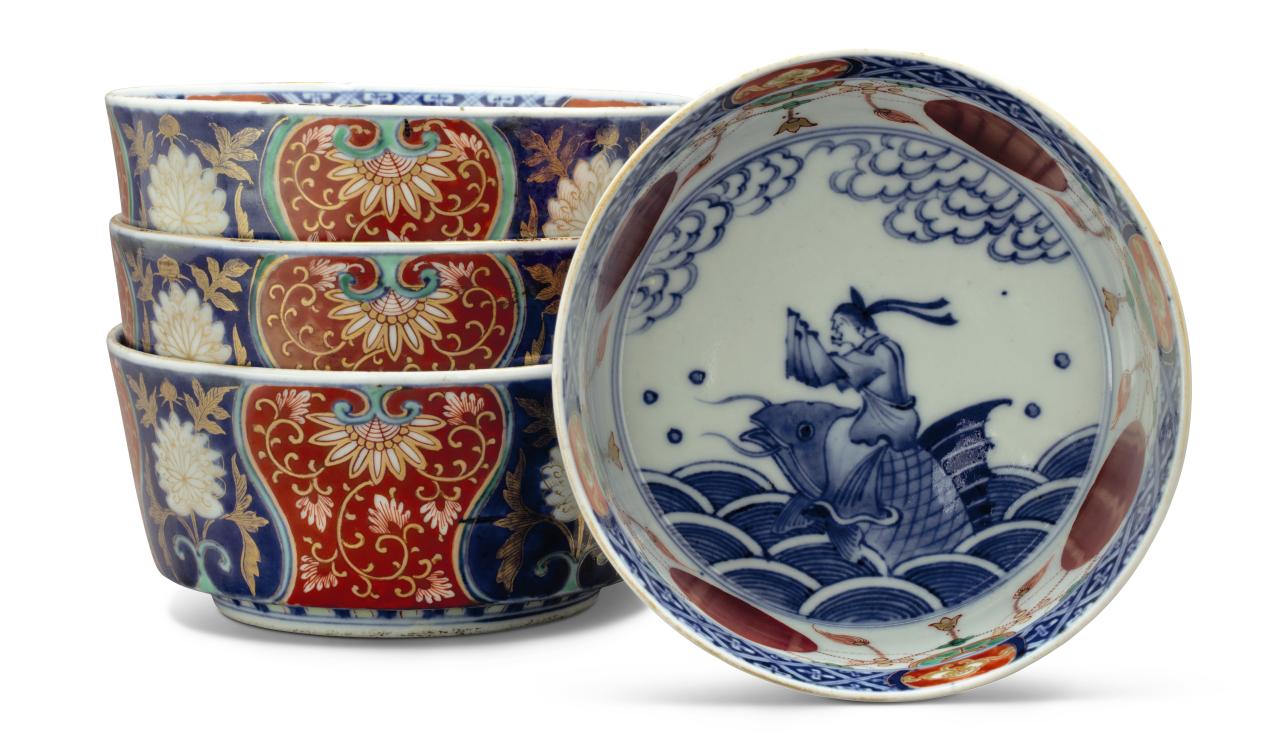
Japanese stone bowls, a testament to centuries of artistic refinement, draw inspiration from a rich tapestry of traditional elements. Their forms and decorations often reflect natural motifs, spiritual concepts, and the profound appreciation for the harmony between humans and nature that permeates Japanese aesthetics. This exploration delves into the core design inspirations, offering a glimpse into the meticulous craftsmanship and symbolic weight embedded within these exquisite vessels.Japanese stone bowl design often stems from a deep-rooted respect for natural beauty.
The asymmetry and organic shapes found in mountains, rocks, and flowing water are frequently echoed in the bowls’ contours. The use of stone, a naturally occurring material, itself contributes to the overall aesthetic, evoking a sense of grounding and permanence.
Design Elements and Aesthetics
Japanese stone bowls, like other art forms in Japan, are often infused with symbolism and meaning. The design elements used in these bowls are not merely decorative; they often carry deeper cultural and spiritual connotations. The interplay of these elements creates a visual language that speaks to the viewer.
| Design Element | Description | Visual Example | Materials |
|---|---|---|---|
| Asymmetry | The deliberate avoidance of symmetry, mimicking the organic forms found in nature. Often features subtle variations in shape, curves, and textures, creating a sense of fluidity and dynamism. | A bowl with a subtly irregular lip and a slightly uneven base. | Various types of stone, including granite, basalt, or jade. |
| Natural Forms | Inspired by natural elements such as rocks, waterfalls, and clouds. These bowls might feature sculpted surfaces that mimic the texture of a rocky outcrop or the flowing lines of a river. | A bowl with undulating surfaces, evoking the contours of a mountainside. | Stone types that naturally exhibit varied textures, such as river-worn stones or polished granite. |
| Negative Space | The intentional use of empty space around the bowl, highlighting the vessel’s form and emphasizing its inherent elegance. The balance between filled and empty space is crucial to the aesthetic. | A bowl with a simple, streamlined form, allowing the negative space around it to define its shape. | Stones with smooth, clean surfaces allow the negative space to be emphasized. |
| Spiritual Symbolism | Often incorporating elements representing key concepts in Zen Buddhism, such as the concept of “wabi-sabi” (the acceptance of imperfection and impermanence), or the pursuit of simplicity and mindfulness. | A bowl with a subtle crack or imperfection, reflecting the transient nature of life and the beauty in imperfection. | Stone types that naturally exhibit subtle flaws, such as a polished but not perfectly smooth surface. |
| Minimalism | Emphasizing the simplicity and purity of the stone itself, minimizing extraneous decorations and highlighting the natural beauty of the material. | A bowl with a clean, unadorned form that allows the natural beauty of the stone to shine through. | Stone types that are inherently beautiful, such as polished jade or meticulously carved granite. |
Styles of Japanese Stone Bowls
Different styles of Japanese stone bowls emerge from the careful interplay of these design elements. These styles are not rigid categories, but rather fluid expressions of the artisan’s vision and the inherent characteristics of the chosen stone.
- The “Mountain Stream” Style: This style captures the essence of a mountain stream, with flowing, undulating lines mimicking the movement of water. The bowls are often asymmetrical, showcasing a natural, unconstrained aesthetic. The bowls might be made from a river-worn stone, emphasizing the natural imperfections and textures of the material.
- The “Zen Garden” Style: Characterized by simplicity and minimalism. The forms are often clean and unadorned, reflecting the serenity and tranquility of a Zen garden. The bowl’s surface might be polished to a high sheen, highlighting the stone’s natural beauty.
- The “Wabi-Sabi” Style: These bowls embrace the beauty of imperfection. They might feature subtle cracks, variations in color, or irregularities in the stone’s surface, reflecting the ephemeral nature of existence. The focus is on the natural variations and subtle flaws of the material.
Final Wrap-Up
In conclusion, Japanese stone bowls stand as a testament to the enduring power of artistry and cultural significance. From the historical context of their creation to the modern interpretations, these objects reflect a deep-seated respect for nature and a commitment to aesthetic perfection. Their enduring appeal lies in the harmony between the stone’s natural form and the artisan’s skill, making them captivating pieces for both collectors and art enthusiasts.
